Türkçe
 English
 Deutsch
 Français
 Español
 Italiano
 Русский
 العربية
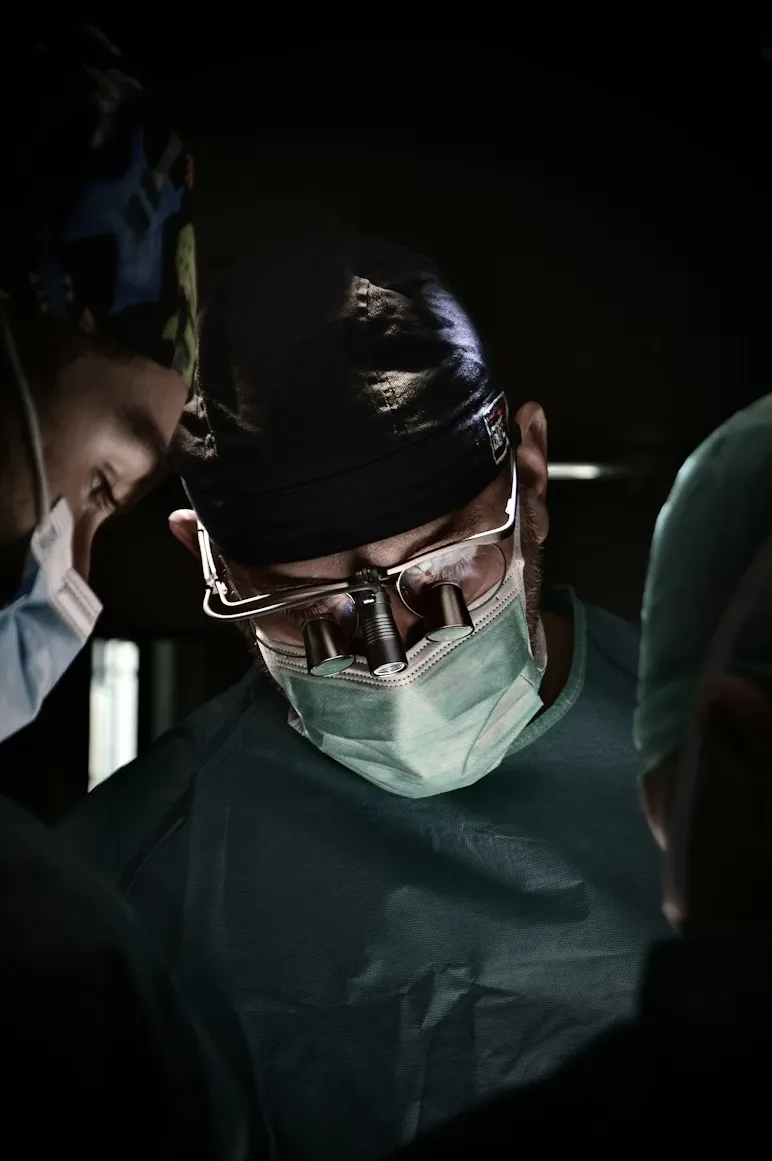
What is Oral & Maxillofacial Surgery?
Oral and maxillofacial surgery is the dental specialty that treats the teeth, the jawbones, the soft tissues of the mouth and the lower part of the face using surgical methods. Its scope is wide, ranging from a simple tooth extraction to major operations that reshape the jawbone.
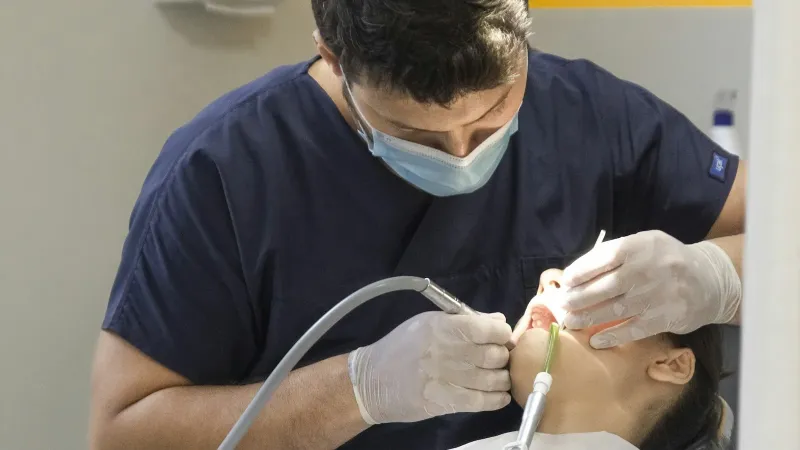
At our hospital, the department works with two fully equipped operating rooms and outpatient treatment units. Most procedures are carried out in the dental chair under local anesthesia, while for longer procedures or for patients with a high level of anxiety, sedation or general anesthesia is planned together with our anesthesia team.
When should you see this department?
The most common reasons for a visit are wisdom teeth that fail to erupt, recurring swelling and pain in the gums, a cyst or tumor in the jawbone noticed on an X-ray, a jaw fracture after an accident, replacing missing teeth with implants, and bone grafting when the jawbone is not sufficient to support an implant.
The department also evaluates temporomandibular joint problems such as clicking, locking and pain in the jaw joint, sores in the mouth that do not heal, and the surgical stages of congenital conditions such as cleft lip and palate.
How does treatment proceed?
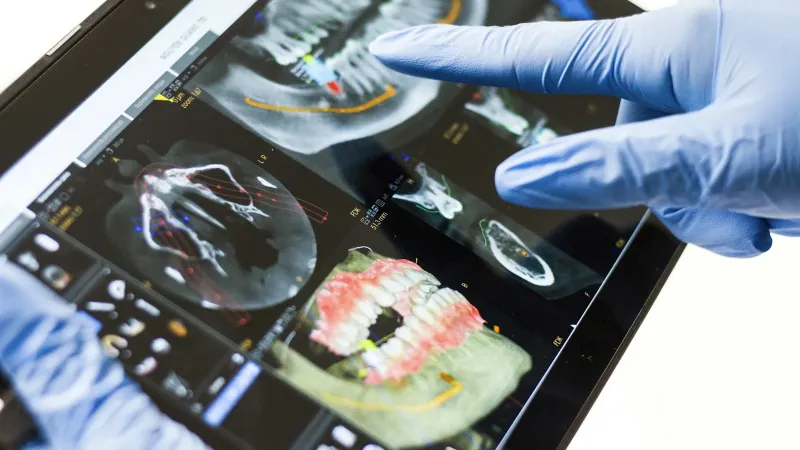
At your first appointment we listen to your complaint, examine your mouth and, if needed, request a panoramic X-ray or a three-dimensional scan (CBCT). The images are taken the same day in our Oral & Maxillofacial Radiology department, so no second appointment is needed for planning.
Before any surgical procedure we record the medications you take, your chronic conditions and your allergies. For patients on blood thinners or with diabetes, the procedure is planned together with the treating physician. After the procedure you receive written instructions on pain control, eating and oral care, and a follow-up appointment is scheduled.
Treatments in This Department
Impacted wisdom tooth extraction
Removal of unerupted or partially erupted wisdom teeth without harming the neighboring tooth or the nerve.
Implant surgery
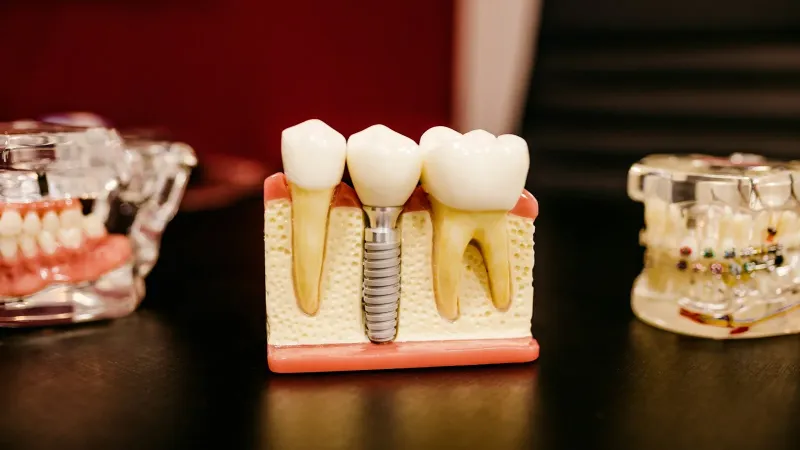
Placement of titanium or zirconia roots into the jawbone to replace missing teeth, with computer-guided planning when needed.
Bone grafting and sinus lift
Reinforcing a jawbone that is insufficient for implants with the patient's own bone or biomaterials.
Cyst and tumor operations
Removal of cysts and benign tumors that form in the jawbones and soft tissues, with pathology follow-up.
Jaw fractures
Fixation of jaw fractures caused by accidents or impact with plates and screws, preserving the bite.
Orthognathic surgery
Correction of bite problems caused by the position of the upper and lower jaw, with surgery planned together with orthodontics.
Apicoectomy
Surgical cleaning of root-tip infections that do not respond to root canal treatment.
Jaw joint (TMJ) treatments
Splints, injections and, where necessary, surgery for joint pain, clicking and locking.
Pre-prosthetic surgery
Bone and soft tissue corrections before dentures, including frenectomy and vestibuloplasty.
Frequently Asked Questions
How long does wisdom tooth extraction take, and is it painful?
Removing an impacted wisdom tooth usually takes between 20 and 45 minutes. Because the procedure is done under local anesthesia, you feel no pain during it. Mild pain and swelling for a few days afterwards are normal and are controlled with the medication prescribed.
What happens if there is not enough bone for an implant?
If the bone volume is insufficient, bone grafting or, in the upper jaw, a sinus lift is performed first. The bone is usually left to mature for 4 to 6 months, and the implant is then placed. In some cases the graft and the implant can be placed in the same session.
Can surgical procedures be performed under general anesthesia?
Yes. Because our hospital has operating rooms and an anesthesia team, sedation or general anesthesia can be planned for long procedures, for cases where several procedures are done in one session, and for patients with dental fear.
What should I pay attention to after an extraction?
For the first 24 hours, avoid hot food and drinks, smoking and rinsing your mouth. Do not touch the wound with your tongue, take your medication regularly and apply cold compresses to the outside of your face. If you have stitches, they are removed at your follow-up appointment.
Does a jaw cyst cause symptoms?
Most jaw cysts grow for a long time without symptoms and are noticed on a routine X-ray. As they grow, swelling of the jaw, shifting of the teeth or numbness may appear. For this reason we recommend a panoramic X-ray check once a year.
Doctors of the Department