Türkçe
 English
 Deutsch
 Français
 Español
 Italiano
 Русский
 العربية
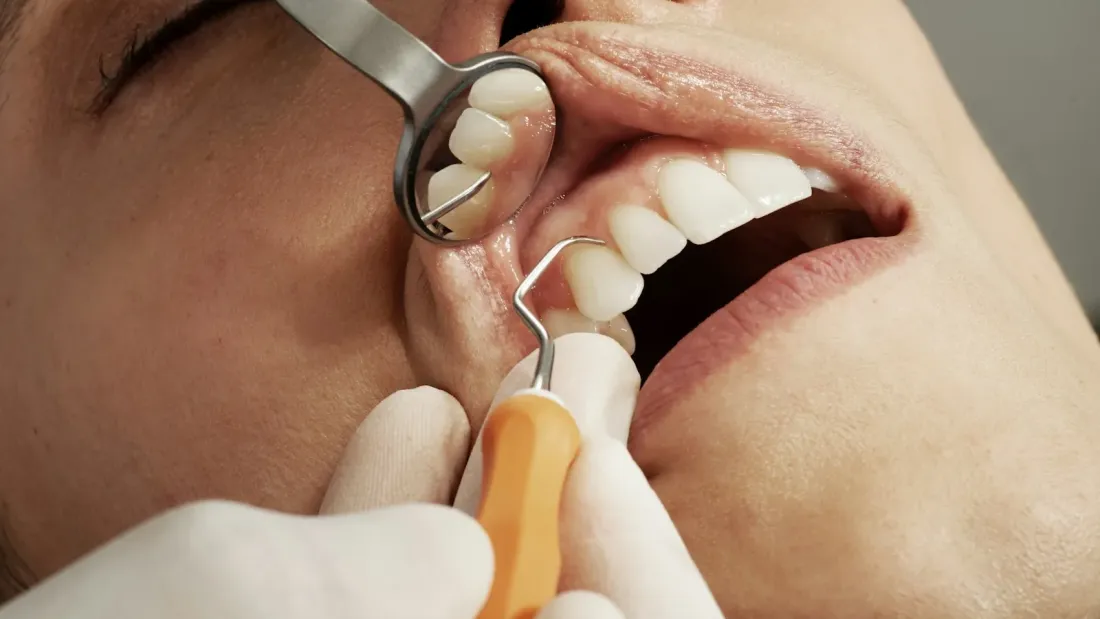
Saving a tooth instead of extracting it by removing the inflamed nerve tissue inside and sealing the cleaned canals.
- Duration
- 45 to 90 minutes, 1 or 2 visits
- Anaesthesia
- Local
- Recovery
- 1 to 3 days of mild tenderness
- Success rate
- Over 90 percent
What is root canal treatment?
Inside every tooth is a soft tissue made of nerves and blood vessels. When deep decay, a crack or a blow causes this tissue to become inflamed, root canal treatment is the way to save the tooth. The inflamed tissue is removed, the canals are shaped, disinfected and sealed, and the tooth stays in your mouth.
Which symptoms point to a root canal?
- Throbbing pain that lingers after hot or cold
- Pain that wakes you at night
- Swelling or a pimple-like spot on the gum
- Darkening of the tooth
Sometimes the tooth does not hurt at all and the problem shows up on an X-ray as a lesion at the root tip.
How is it done?
Numbing and isolation
The tooth is numbed with local anaesthesia. A rubber sheet (rubber dam) keeps saliva out, which directly improves the success of the treatment.
Cleaning the canals
Decay is removed and the nerve chamber is opened. The length of each canal is measured electronically. Rotary instruments widen the canals and irrigation solutions disinfect them.
Filling
The dried canals are filled with warm gutta-percha and sealer. The top is closed with a filling. Teeth that have lost a lot of structure are given a crown to prevent fracture.
One visit or two?
It depends on how far the inflammation has spread. Teeth with a still-living nerve are usually finished in one visit. If there is infection at the root tip, medication is placed in the canal and the tooth is sealed for a week or two.
After treatment
Slight tenderness on biting for a few days is normal. Avoid chewing hard foods on that side until the permanent filling or crown is in place. A well-done root canal with a good seal keeps the tooth working for years.
The endodontist difference
In the Endodontics department treatment is carried out under a microscope, so narrow, curved or previously treated canals can be cleaned safely. Retreatment of failed root canals and root-tip surgery are done in the same department.
Frequently Asked Questions
Does a root canal hurt?
With modern local anaesthesia no pain is felt during the procedure. The real pain comes from the inflammation before treatment, and treatment relieves it.
How long does a root-treated tooth last?
With a proper seal and crown it can last a lifetime, like a natural tooth.
Is a crown always needed afterwards?
It is recommended for back teeth and for teeth with large fillings to prevent fracture. Front teeth do not always need one.
 Assoc. Prof. Dr. Tuna KAPLANEndodontics